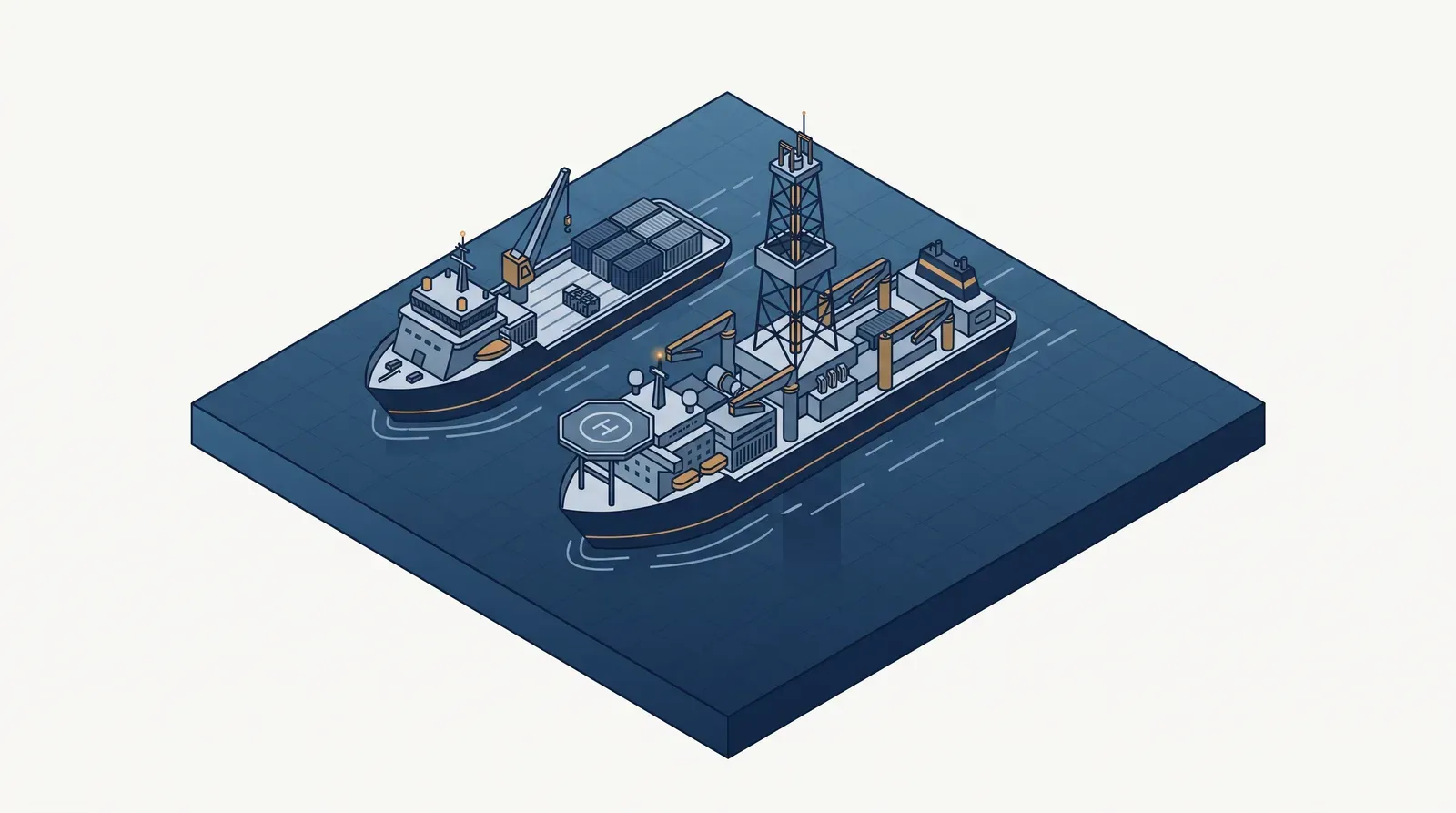
Eni's discovery of over 1 trillion cubic feet of gas in Libya's offshore Bahr Essalam area represents a significant milestone for North African energy security. These two new finds, BESS 2 and BESS 3, are strategically located to utilize existing infrastructure for both domestic consumption and export to Italy. The announcement reinforces Eni's dominant position in the region and highlights the continued geological potential of the Mediterranean's southern margin.
Key Facts
Eni announced two new gas discoveries totaling more than 1 trillion cubic feet (Tcf). The discoveries are located in the Bahr Essalam South 2 (BESS 2) and Bahr Essalam South 3 structures. The exploration campaign was initiated and completed within the last few months. Gas production is earmarked for both the Libyan domestic market and export to Italy. The finds are situated in offshore Libya, a region where Eni has operated for decades. The discovery follows a period of renewed exploration focus by the Italian energy major in North Africa.
Background & Context
Libya holds Africa's largest oil reserves and significant gas deposits, but development has been hampered by a decade of political instability. Eni has remained the most consistent foreign operator in the country, maintaining the GreenStream pipeline which connects Libyan gas fields directly to Sicily. The Bahr Essalam field is a cornerstone of Libya's offshore gas production, and expanding its reserves is critical for maintaining export volumes to Europe.
Market Impact
This discovery is a major boost for Italy's strategy to diversify away from Russian gas by tapping into Mediterranean resources. By adding 1 Tcf of reserves, Eni can mitigate the natural decline of older fields and potentially increase the utilization rate of the GreenStream pipeline. For Libya, the discovery provides essential fuel for domestic power plants, which have suffered from frequent outages. Furthermore, the success of this fast-tracked exploration campaign may encourage other International Oil Companies (IOCs) to reconsider the risk-reward profile of the Libyan offshore sector.
What to Watch
The next phase will likely involve a fast-track development plan to tie these new wells into the existing Bahr Essalam subsea infrastructure. Market observers should monitor the Libyan National Oil Corporation (NOC) for approvals regarding the commercialization terms and potential new licensing rounds. Additionally, the success of BESS 2 and 3 may lead Eni to expand its exploration footprint into deeper waters or adjacent blocks in the coming year.
Why This Matters for Cyprus
While the discovery is in Libyan waters, it strengthens the Eastern Mediterranean's status as a vital energy corridor for Europe, indirectly impacting the regional gas market dynamics that Cyprus operates within.
Frequently Asked Questions
How will the gas be transported to Italy? The gas will be processed at the Mellitah complex on the Libyan coast and then transported through the 520-kilometer GreenStream pipeline, which lands in Gela, Sicily.
Does this discovery impact Cyprus's energy ambitions? While not a direct competitor, increased Libyan exports to Italy via pipeline provide a cost-effective alternative to East Med LNG or the proposed EastMed pipeline, potentially tightening the market for Cypriot gas in Southern Europe.
Is the offshore environment in Libya safe for operations? Offshore operations in Libya have historically been more stable and insulated from the country's internal political conflicts compared to onshore facilities, allowing Eni to maintain consistent production.